Production Planning
Custom Gear Prototype to Production: A Practical Workflow
Moving from one prototype to stable production requires controlled drawings, agreed inspection, approved changes, process records, and feedback from the real assembly.
SINOF Engineering Team · · 8 min read
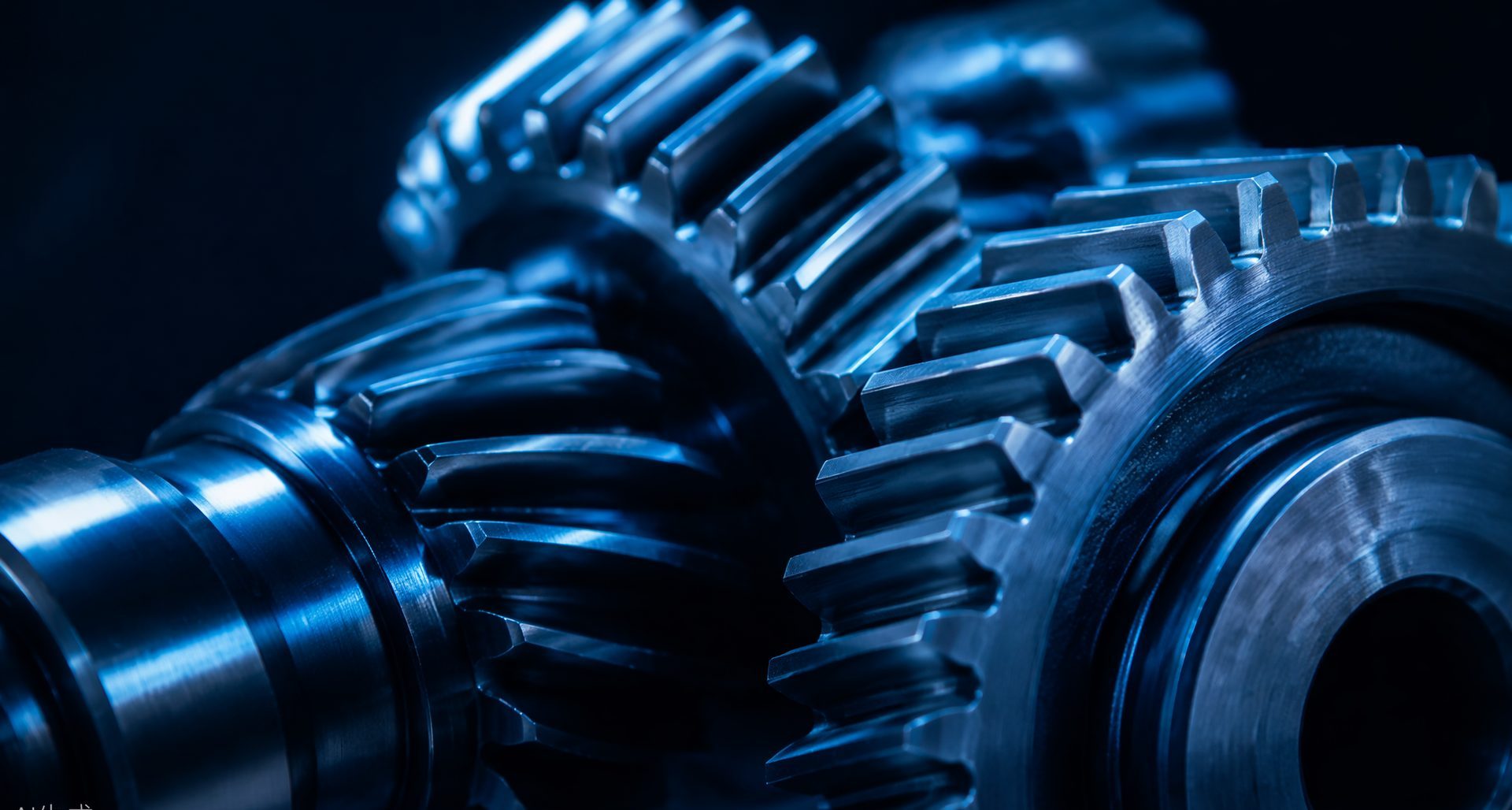
A controlled workflow reduces surprises
A prototype proves more than whether a supplier can make one part. It should test the drawing, manufacturing route, inspection method, assembly interface, and communication process that will support production. The workflow must preserve what was learned rather than restarting from an undocumented sample.
Prototype-to-production stages
| Stage | Main decisions | Useful output |
|---|---|---|
| RFQ and drawing review | Scope, assumptions, material, heat treatment, quantity, accuracy, records | Technical clarification list and quotation |
| DFM and process planning | Blank route, tooth cutting, heat treatment, finishing, datum strategy, inspection | Approved manufacturing assumptions and process route |
| Prototype or first article | Tooling approach, setup, special characteristics, report depth | Parts plus dimensional and gear-inspection evidence |
| Buyer validation | Fit, backlash, contact, noise, temperature, load, life, assembly method | Approval, rejection, or controlled change request |
| Production release | Batch size, sampling, traceability, packaging, delivery cadence | Released revision and production control plan |
| Repeat orders | Revision status, process changes, quality history, demand changes | Consistent order package and improvement record |
Validate the part in the real system
- Confirm part identity, revision, material, treatment, and inspection status before assembly.
- Measure installation conditions such as center distance, alignment, bearing clearance, and lubrication.
- Check backlash or tooth contact under defined conditions where relevant.
- Run agreed speed, load, direction, duty cycle, and temperature conditions.
- Record noise, vibration, wear, temperature, and failure observations with test context.
- Convert approved changes into a revised drawing and purchase specification.
Prepare for repeatable production
Before production, agree which characteristics are checked on every part, which use sampling, and which require periodic process verification. Define traceability, nonconformance communication, change notification, preservation, packaging, and retention of inspection records.
- Freeze the approved drawing revision and order specification.
- Confirm production quantity, batch size, forecast, and delivery schedule.
- Agree the inspection plan and documents shipped with each lot.
- Approve packaging that protects teeth, finished surfaces, and corrosion-sensitive material.
- Require written approval for changes that may affect fit, function, or validation status.
SINOF evaluates each prototype and production route against the submitted requirements. Capacity, accuracy, process, and documentation commitments are confirmed only after engineering review of the released drawing and order scope.
Frequently asked questions
Is a prototype made with the same process as production?
Not necessarily. Prototype quantities may use different blanks, tooling, or setups. Ask the supplier to identify process differences that could affect production validation.
What should a first-article report include?
It should match the agreed scope: part identity and revision, measured critical dimensions, specified gear characteristics, material or heat-treatment evidence, and recorded deviations.
When is a new first article needed?
Consider it after design revision, material or process change, tooling replacement, long production interruption, supplier-site change, or another change that could affect validated characteristics.
Discuss your gear drawing with our team
Share the drawing, quantity, material, accuracy target, heat treatment, inspection needs, application context, and requested delivery date.
Request drawing review